

Platinum vs. White Gold vs. Silver: Which Metal Should You Choose?
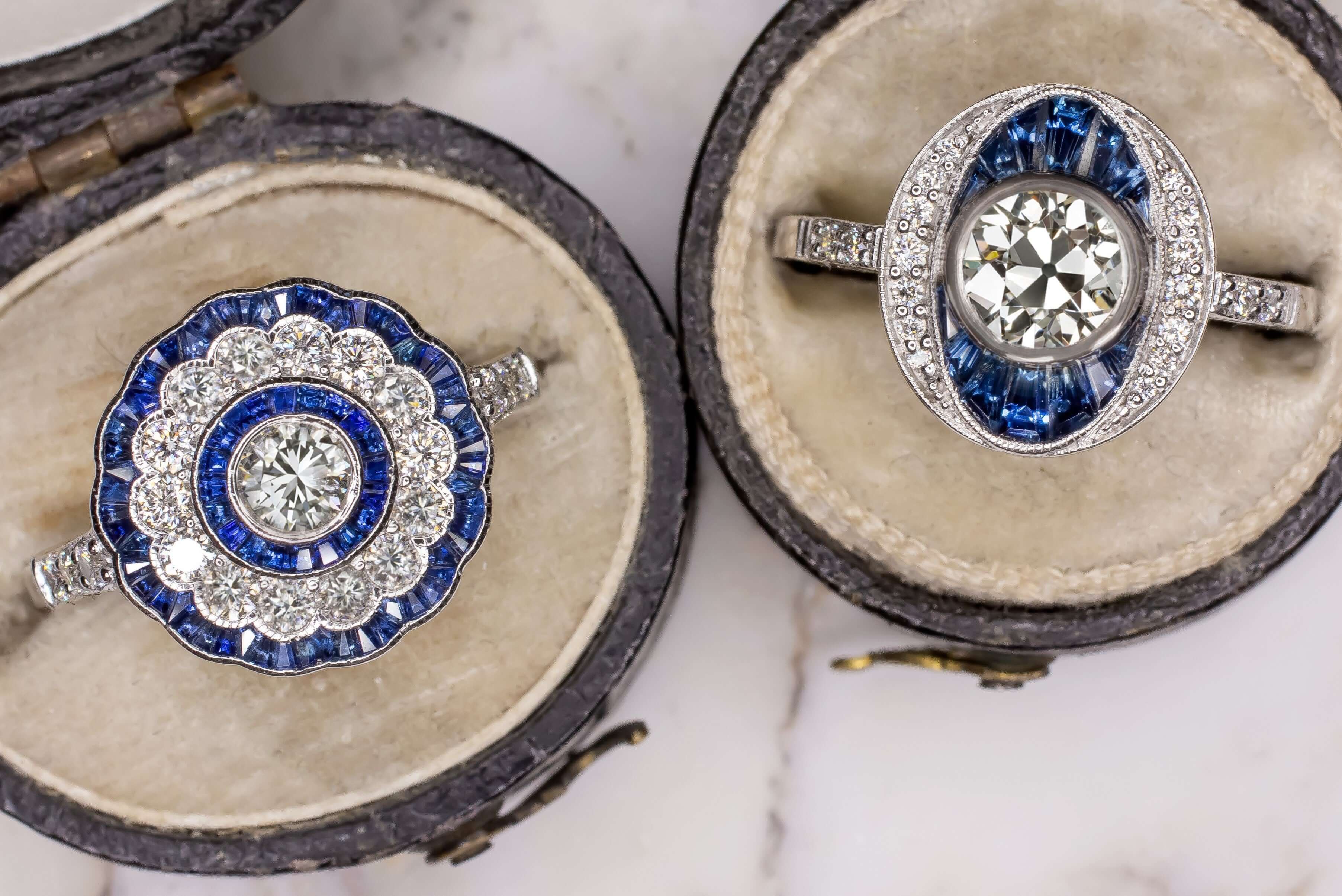
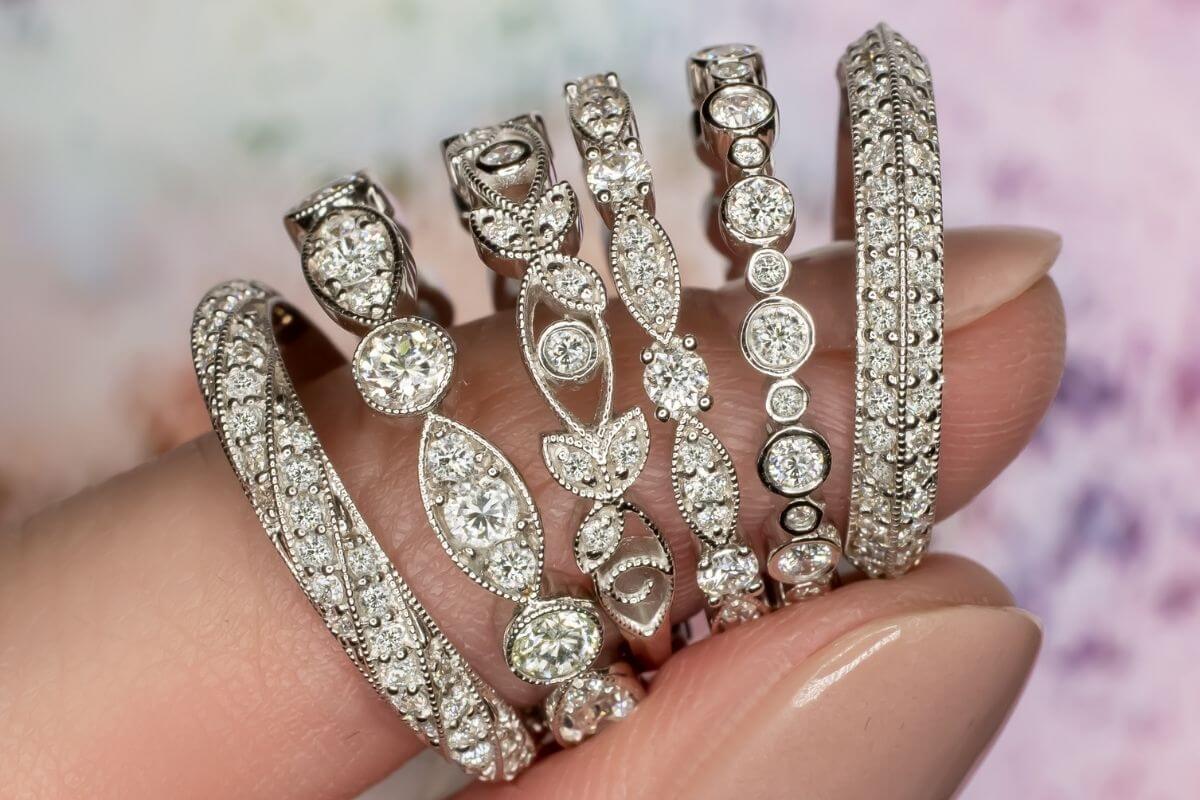
Stand a platinum band, a white gold band, and a sterling silver band next to each other, and most people can't tell them apart. All three read as the same cool, bright white. But that similarity stops at the surface. Underneath, these are three genuinely different metals, and the differences show up fast once a ring is on your hand every day for the next twenty years.

The short answer: platinum is the most durable and the most hypoallergenic of the three, but it's also usually the most expensive and the heaviest. White gold looks nearly identical to platinum for less money, but it needs its rhodium coating refreshed every few years or it starts to look warm and yellowish. Silver is the most affordable by a wide margin, but it's the softest metal of the three and the least suited to daily wear, especially in a ring that holds a stone. None of the three is "better" across the board. It depends on how you want to wear it and how much upkeep you're willing to do.
What Is Platinum?
Platinum jewelry is typically 90 to 95 percent pure platinum, alloyed with a small amount of iridium, ruthenium, or cobalt for strength. You'll usually see it stamped "PT950" or "PT900" to indicate that purity. It's a naturally white metal, so unlike white gold, there's no plating involved. What you see is the metal itself, and it stays that color for life.
Platinum is also one of the rarer metals used in fine jewelry. It's mined in far smaller quantities than gold each year, and it takes considerably more raw ore to produce a single ounce, which is part of why it's traditionally been treated as the premium option among white metals.

What Is White Gold?
White gold starts out as pure yellow gold, which is naturally warm in color, and gets alloyed with white metals like palladium, nickel, silver, or manganese to shift its color toward white. Even after that alloying, most white gold still has a faint warm or gray undertone. To get the bright, mirror-like white most people picture, jewelers finish it with a thin coating of rhodium, a metal in the platinum family.
Purity is measured in karats. 18k white gold is 75 percent pure gold, and 14k is 58.3 percent, with the rest made up of the alloying metals. The higher the karat, the more gold and generally the less nickel, though this varies by manufacturer.

What Is Sterling Silver?
Sterling silver is 92.5 percent pure silver alloyed with 7.5 percent other metal, almost always copper, which is where the "925" stamp comes from. Pure silver on its own (999, sometimes called fine silver) is too soft to hold its shape in jewelry, so the copper is added purely for structure.
Silver is by far the most abundant of the three metals, which is the main reason it costs a fraction of what platinum or white gold does.

Durability: How Well Does Each One Actually Hold Up?
This is where the three metals really part ways, and it's more counterintuitive than you'd expect.
On the Mohs hardness scale, platinum sits around 4 to 4.5, which is actually softer than a typical white gold alloy. But hardness alone doesn't tell the whole story. Platinum is also extremely malleable and dense, at about 21.4 grams per cubic centimeter versus roughly 10.4 for sterling silver and somewhere in the 13 to 16 range for white gold depending on karat. When platinum gets scratched, the metal doesn't wear away. It displaces, almost like pressing a fingernail into clay, so the same material just moves rather than disappearing. That's why a platinum ring polished every few years for decades will weigh nearly the same as the day it was made.
White gold, by contrast, does lose small amounts of actual metal every time it's scratched or polished. Over many years, a white gold ring can gradually thin, especially at the shank. It's still a durable, long-lasting metal for daily wear, just not quite in the same way platinum is.
Silver is the softest of the three by a clear margin. It scratches, dents, and bends more easily, and prongs made of silver are more prone to loosening over time. It holds up fine for earrings, pendants, or pieces you're not wearing every single day, but it's generally not the best choice for a ring worn daily, especially one holding a stone you don't want to risk losing.
Maintenance: What Kind of Upkeep Does Each Metal Actually Need?
Platinum develops a soft matte finish called a patina after enough wear, which some people love for its lived-in look and others prefer to polish away. Either way, it doesn't tarnish, and a jeweler can restore the original bright finish with a simple re-polish whenever you want it.
White gold's maintenance is more built-in to owning it. That rhodium coating wears down with regular wear, typically over one to three years depending on how often the piece is worn, and once it does, the warmer tone of the gold underneath starts to show through. Replating is a routine, inexpensive service most jewelers offer, usually in the range of $50 to $150, but it's worth budgeting for as an ongoing cost rather than a one-time purchase.
Silver tarnishes when it reacts with sulfur compounds in the air, which shows up as a dull or darkened surface. It's not permanent damage, a quick polish brings the shine right back, but it does mean more frequent at-home upkeep than the other two metals, and pieces need to be stored a bit more carefully (a sealed pouch or anti-tarnish cloth helps).
Sensitive Skin: Which Metal Is Actually Hypoallergenic?
Platinum is naturally hypoallergenic. It doesn't contain nickel, and reactions to it are extremely rare, which makes it the safest bet if you know you have sensitive skin or a history of metal allergies.
White gold is where most jewelry-related skin reactions come from, because nickel is one of the most common alloying metals used to whiten gold. If you've ever had a reaction to costume jewelry or a watch back, nickel is usually the culprit, and it can be present in white gold even after rhodium plating, especially once that plating starts to wear thin. If sensitive skin is a concern, ask whether a piece is made with a palladium-based white gold alloy instead, which is nickel-free, or stick to higher-karat gold, which contains less alloy metal overall.
Sterling silver is generally a safer choice than white gold for sensitive skin, since standard 925 silver is alloyed with copper rather than nickel. That said, a "925" stamp on its own doesn't guarantee a piece is completely nickel-free. Nickel can still show up in solder, earring posts, clasps, or plating used elsewhere on the piece, so it's not an absolute guarantee the way platinum is.
Price: What You're Actually Paying For
Precious metal prices move with the market, so exact numbers shift, but the relative gap between these three metals has stayed fairly consistent. Silver is dramatically less expensive than the other two, which is exactly why it's such a popular choice for fashion jewelry, layering pieces, and anything you want to buy without overthinking it.
Platinum and white gold are closer in price, and which one costs more depends on more than just the metal's market price. Platinum jewelry is almost always made at a higher purity (typically 95 percent) than 18k gold (75 percent), and platinum is significantly denser, so a platinum ring simply contains more precious metal by weight than a same-size white gold ring. Platinum is also harder to work with. It has a melting point of nearly 3,872°F, well above gold's, which means it requires more specialized equipment and more skilled labor to cast and finish. All of that tends to push platinum pricing at or above comparable white gold pieces, even in periods when gold's market price runs higher per ounce than platinum's, which has actually been the case recently.

Setting Security: Which Metal Holds a Diamond Best?
If your piece is holding a diamond or other valuable stone, this matters more than almost anything else on this list. Platinum's density and malleability make it the industry standard for securing fine gemstones long-term. Jewelers and gemologists favor it for prong settings specifically because it grips a stone firmly and doesn't become brittle or crack the way harder, more rigid metals can over decades of wear.
White gold prongs are perfectly capable of holding a stone securely for everyday wear and are used in the vast majority of engagement rings sold today. Silver prongs are the least secure of the three. They're more prone to bending, thinning, or loosening with regular wear, which is part of why silver is more commonly used for fashion jewelry and bezel-set pieces than for rings meant to hold a valuable, loose-set stone for decades.
So, Which Metal Should You Choose?
There's no single right answer. It comes down to how you plan to wear the piece and what trade-offs you're comfortable with.
Choose platinum if you want the most durable, lowest-maintenance option long-term, you have sensitive skin, or you're setting a diamond or gemstone you want secured for decades without worrying about it.

Choose white gold if you want that same bright white look for less money and don't mind budgeting for a replating appointment every couple of years as routine upkeep.

Choose sterling silver if you want a beautiful, affordable piece for occasional wear, layering, or fashion jewelry, and durability for daily use isn't the top priority.

Whichever direction you're leaning, ask your jeweler exactly what alloy is used in the piece you're considering. Two rings that look identical on a display tray can behave very differently ten years from now.
Frequently Asked Questions
Not sure which metal is right for your piece? Our team is happy to walk you through the trade-offs and help you find the option that fits how you'll actually wear it.





 Exclusive access to limited time discounts